Master the Art of Plant Care
Developed by our team of Auckland-based horticulturists, these guidelines are specifically tailored to New Zealand's climate and indoor conditions. Learn the fundamentals that will keep your plants thriving for years.
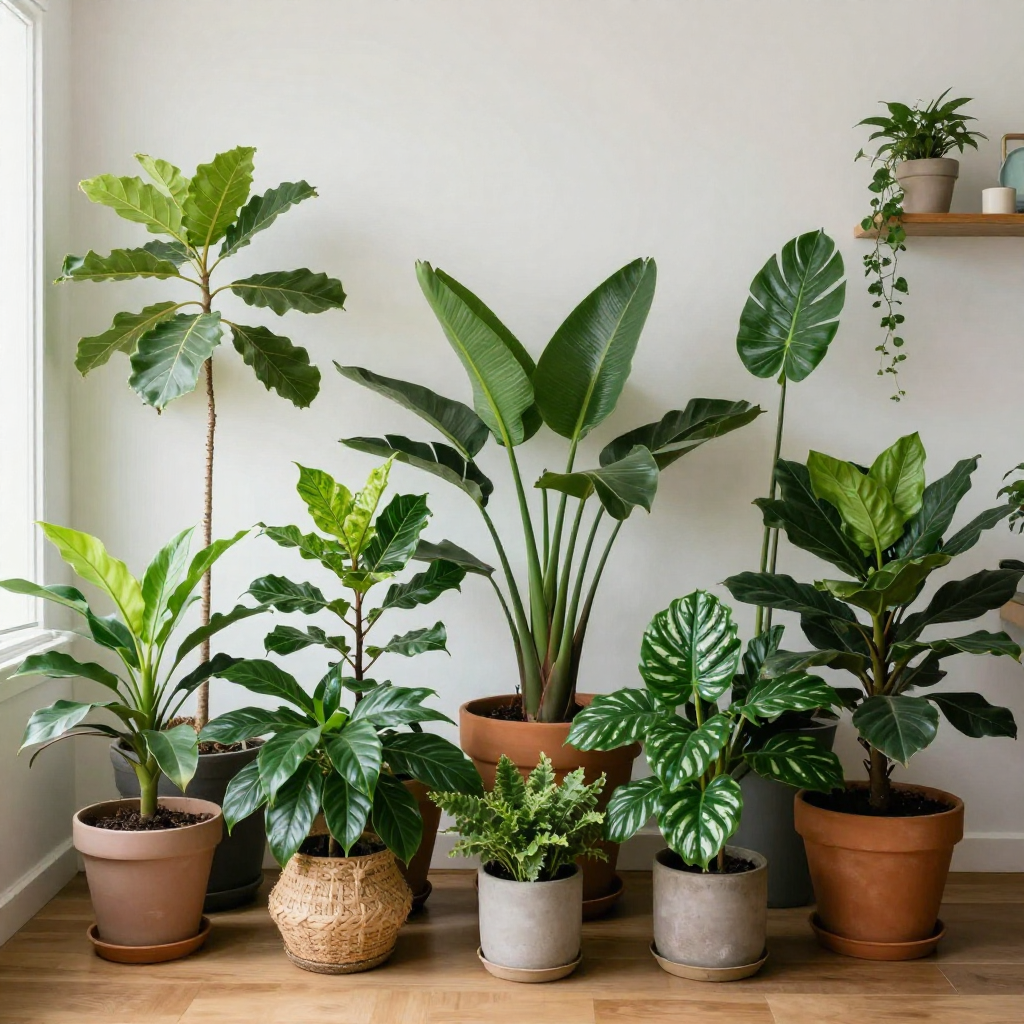
Understanding Your Plants
Success with indoor plants comes from understanding their natural habitat and replicating those conditions in your home. Most houseplants originate from tropical or subtropical regions where they grow beneath forest canopies. This means they prefer bright, indirect light and consistent moisture without waterlogging.
Light Assessment
Observe how sunlight moves through your space throughout the day. North-facing windows in Auckland provide gentle, consistent light ideal for most plants. East-facing windows offer morning sun, while west-facing can be intense during summer afternoons.
Watering Rhythm
More plants experience issues from overwatering than underwatering. Insert your finger 5cm into the soil before watering. If it feels moist, wait. Most tropical plants prefer to dry slightly between waterings.
Seasonal Adjustments
Auckland's mild winters mean most plants continue growing year-round, though at a slower pace. Reduce watering frequency by about 30% during June through August when growth naturally slows.
Care Fundamentals
Master these four core practices and your plants will reward you with vigorous growth and vibrant foliage.
Proper Watering Technique
Water thoroughly until excess drains from the bottom, then empty the saucer. This ensures the entire root system receives moisture. Auckland's tap water is generally suitable, though letting it sit overnight allows chlorine to dissipate. During summer, most plants need water weekly; in winter, every 10-14 days suffices.
Light Optimization
Rotate your plants 90 degrees weekly to ensure even growth. If leaves stretch toward light or lose variegation, move the plant closer to a window. Conversely, scorched or faded leaves indicate too much direct sun. Most houseplants thrive 1-2 meters from a bright window.
Humidity Management
Auckland's humidity averages 75%, which suits most tropical plants. However, indoor heating during winter can dry the air. Group plants together to create a microclimate, or place pots on trays filled with pebbles and water. Avoid misting, which can promote fungal issues.
Feeding Schedule
Feed actively growing plants monthly from September through April using half-strength liquid fertilizer. Pause feeding during winter when growth slows. Over-fertilizing causes more harm than under-feeding, leading to salt buildup and root burn.
Common Challenges Solved
Yellow Leaves
Usually indicates overwatering or poor drainage. Check that your pot has drainage holes and reduce watering frequency. If only lower leaves yellow, this is natural aging.
Brown Leaf Tips
Typically caused by low humidity or fluoride in tap water. Use filtered or rainwater, and increase ambient moisture around the plant.
Leggy Growth
Stems stretching toward light signal insufficient brightness. Move your plant closer to a window or supplement with a grow light.
Pest Prevention
Inspect new plants before bringing them home. Wipe leaves monthly with a damp cloth to remove dust and spot pests early. Separate affected plants if needed.
From Our Plant Community
"The watering advice improved my plant care routine. I was overwatering my Monstera. Now it's producing new leaves regularly."
"The seasonal adjustment tip was helpful. I didn't realize I needed to water less in winter. My Snake Plant is doing well."
"The light assessment guide helped me rearrange my plant collection. Understanding window directions was useful."
Need Personalized Advice?
Our horticulture team offers free consultations to help diagnose issues and optimize your plant care routine. Contact us with photos and we'll provide tailored recommendations.
Get Expert Help